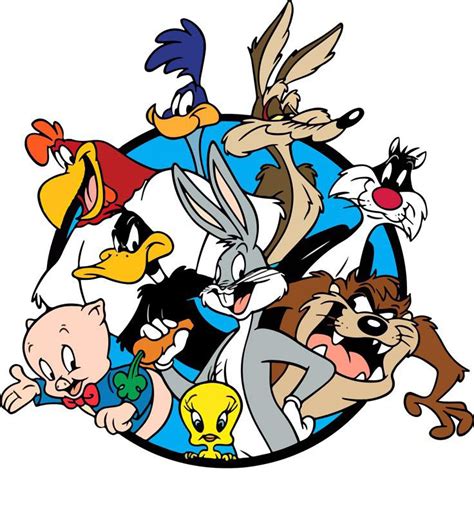
Looney Tunes Banana Peel: A Timeless Comedy Staple\n\nHey guys, let’s chat about something truly iconic in the world of cartoons, something that instantly brings a smile to your face: the
Looney Tunes banana peel
. It’s more than just a gag; it’s a cornerstone of
slapstick comedy
, a simple yet profoundly effective piece of physical humor that has graced our screens for decades. Whenever we think of classic
Looney Tunes
antics, whether it’s
Bugs Bunny
outsmarting
Elmer Fudd
or
Daffy Duck
’s endless misfortunes, the
banana peel
often pops up as a silent, yellow saboteur. It’s an
art form
perfected by the brilliant minds at Warner Bros. animation, turning a simple slip into a memorable, gravity-defying spectacle. This seemingly mundane object, often discarded without a second thought, becomes a
powerful comedic device
in the hands of
Looney Tunes
characters, proving that sometimes, the simplest jokes are the most enduring. We’re talking about a gag that transcends generations, eliciting genuine laughs from kids and adults alike, a testament to its universal appeal and the impeccable timing and execution by the legendary animators. The
Looney Tunes banana peel
isn’t just a prop; it’s a key player in the grand symphony of chaos and laughter that defines these beloved cartoons, cementing its place in the annals of comedic history.\n\n## The Hilarious History of the Banana Peel Gag\n\nBefore the
Looney Tunes
gang ever graced a single frame of animation, the
banana peel gag
was already a bona fide star on stage and screen, deeply rooted in the rich traditions of vaudeville and silent films. Think about the legendary performers like
Charlie Chaplin
or
Buster Keaton
– these pioneers of physical comedy absolutely mastered the art of the unexpected mishap, and the
banana peel
was often their unwitting co-star. It was, and still is, a perfect symbol of sudden, humiliating misfortune. Picture it: a character, usually quite dignified or perhaps overly confident, sauntering along, completely oblivious to the seemingly innocuous yellow curve lying in wait. Then,
bam!
Dignity shattered, gravity defied, laughter ensues. It’s a universal moment of sudden, undignified surprise, a complete disruption of the mundane that
Looney Tunes
didn’t just inherit, but amplified with their signature blend of exaggerated animation and irreverent humor. The beauty of this gag is its inherent
visual humor
; the setup is incredibly simple, requiring no dialogue, yet the payoff is always spectacular and immediately understandable across cultures and languages. The anticipation created as a character approaches the
banana peel
is half the fun – will they see it? Will they avoid it? The answer, in the world of
Looney Tunes
, is almost always a resounding and hilarious
no
. This makes the
banana peel
a truly
timeless comedic device
, connecting directly to our shared human experience of clumsiness and unexpected folly. The way
Looney Tunes
adopted this heritage, blending it with their unique brand of cartoon physics, transformed a classic trope into something even grander, more dynamic, and utterly unforgettable, showcasing the remarkable
evolution of comedy
from the stage to the animated screen. Seriously, guys, it’s wild how one little piece of fruit peel became such a giant in comedy! The genius lies in its simplicity and the sheer relatability of watching someone experience a sudden, surprising loss of control, offering a moment of pure, unadulterated
schadenfreude
that somehow feels entirely innocent in the cartoon world. From the dusty stages of turn-of-the-century theaters to the vibrant, hand-drawn worlds of Warner Bros. cartoons, the
banana peel
has consistently proven its comedic power, cementing its status as an enduring emblem of humorous mishap. It’s a true
comedy classic
, reborn and revitalized by the
Looney Tunes
animators who understood its innate potential for slapstick brilliance and elevated it to legendary status within the pantheon of animated gags.\n\n## Looney Tunes’ Masterful Animation of the Peel\n\nWhen it comes to bringing the
banana peel
to life, the animators behind
Looney Tunes
weren’t just showing a slip; they were orchestrating a
masterclass in animated physical comedy
. In their hands, the
banana peel
wasn’t just a prop; it became almost a character itself, an instigator of chaos and a silent antagonist. The magic really happened through the expert application of animation principles like
squash and stretch
, which allowed characters to deform and exaggerate their movements in ways that simply aren’t possible in live-action. This is how those slips became incredibly dynamic, turning a simple fall into a ballet of absurdity. Imagine characters flying impossibly high into the air, spinning wildly like tops, or landing in the most
ridiculous, pretzel-like positions
that would snap a human in half. These were the hallmarks of studios led by legends like
Tex Avery
and
Chuck Jones
and their brilliant teams; they were, without a doubt,
geniuses
at this kind of visual storytelling. Think about specific instances, guys:
Wile E. Coyote
, in his perpetual quest to catch the
Road Runner
, meticulously setting a trap only to become its first, and often only, victim, perhaps on a
banana peel
he carelessly dropped. Or the perpetually grumpy
Sylvester the Cat
, chasing
Tweety Bird
with manic energy, only to slip on his own
clumsy
attempts, often on a conveniently placed peel, sending him sprawling into a wall or off a cliff. The visual language of
Looney Tunes
transformed a straightforward slip into a
spectacular comedic event
, complete with stars swirling around heads and the classic sound effects – that perfectly timed
